You hired people to run things, and you're still running them.

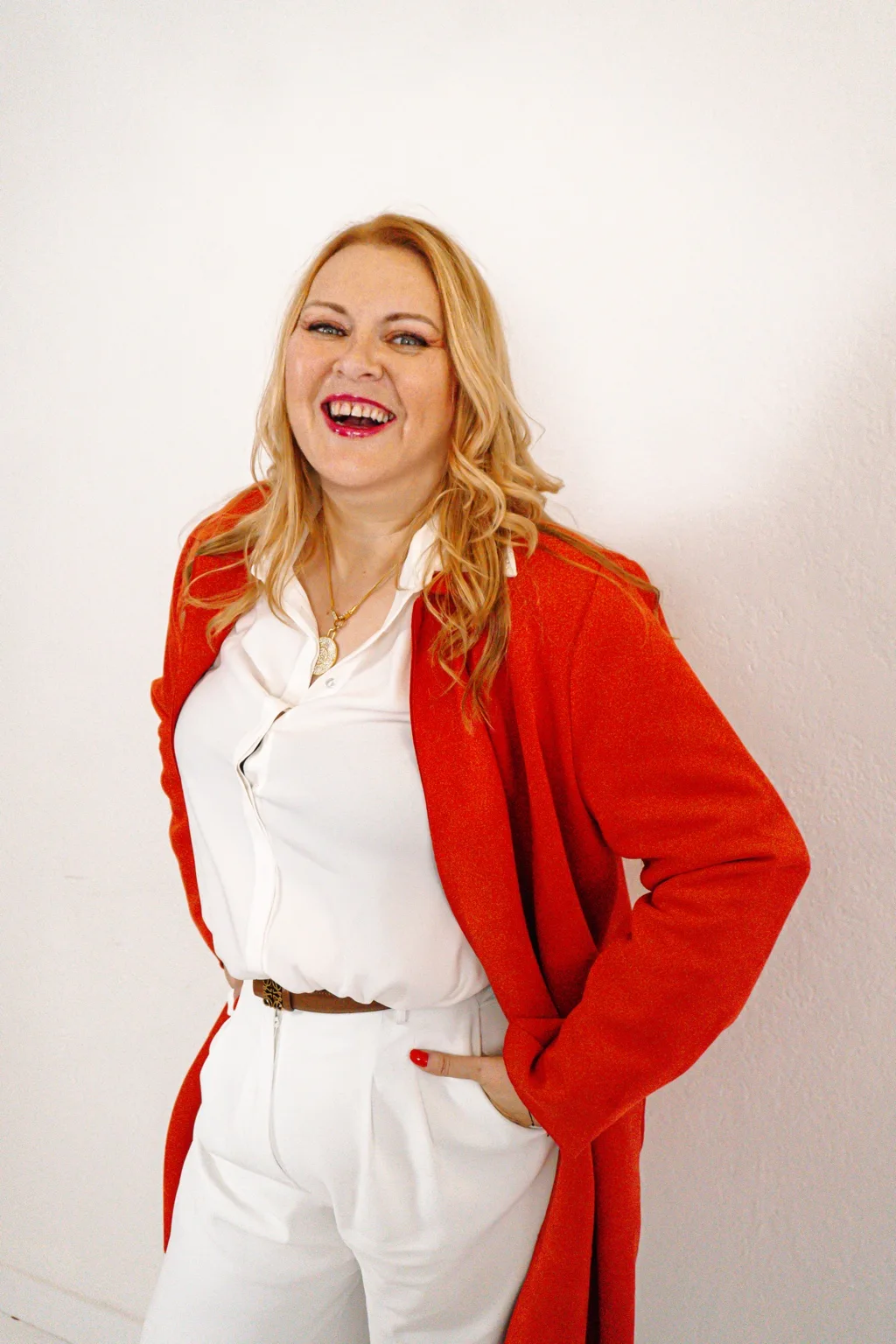
I'm Andrea Florescu. I spent more than twenty years running operations inside other people's companies before I started advising, and it's usually the same situation: the company got bigger, the way it runs never caught up, and more of the day keeps landing back on you. I help founder-led companies fix that. And if what the business needs is someone inside it helping run operations, I can do that too, as a fractional COO, part-time and on contract.

I'm in the Seattle area and work with founder-led companies around the country.

Andrea Florescu

You are still the one who approves things you hired other people to decide.

You are still the one who spots the problem first.

You are still the one who remembers what everyone agreed to.

Most founders read that and assume it's a people problem. Sometimes it is. More often it's founder dependency, and I've written about why better software rarely fixes it.

I work with founder-led service businesses that have grown past their own structure. There's no revenue minimum. What matters is complexity: more functions, more handoffs, managers who now manage people, and too many decisions still reaching you.

What I actually do

Most of it is management infrastructure, which is a heavy phrase for something fairly ordinary: who owns what, who decides what, and who is accountable for finishing.

So it starts with deciding who decides. Your managers need to know which calls are theirs, which ones they should simply make, and which ones genuinely need you. Those are the decision rights, and they're often not written down anywhere.

Then rhythm. A dependable operating cadence, so problems surface, decisions get made and follow-up happens when you're not in the room. It isn't more meetings.

Then finishing. Big projects stall when nobody has both the authority and the time to push them through. Sometimes that person is me. Sometimes it's making sure the right person on your team can do it without me.

Ways to work together

See all services

The main relationship

Fractional COO

I take the COO seat, part-time and on contract. In practice that means I'm in your leadership meetings, making the operating calls with you rather than writing memos about them, and when something is decided I'm accountable for it happening.

It's for companies where nobody has the seniority or the time to run operations, and that person keeps turning out to be the founder. This is the work I'm best at.

Fractional COO

Operations Consulting

You already know something is wrong. The handoff between two teams keeps failing, or the same problem keeps coming back in a different form. I look at how the work actually happens rather than how the process document says it happens, and tell you what to change.

Learn more about Operations Consulting

Systems & Technology

Your tech stack got assembled one urgent decision at a time. I go through what you're paying for, what's creating work nobody needs, and what should go.

Learn more about Systems and Technology

Business Modernization

Sometimes the outdated part isn't the software. It's manual habits, one person's memory, processes that exist only because that's how they started. We rebuild what's underneath at a pace your team can absorb.

Learn more about Business Modernization

What changes

  • Fewer decisions come back to you.
  • Your managers decide the things they own instead of checking.
  • A priority still holds the week after the meeting.
  • Information reaches the people who need it without you passing it along.
  • The work that matters gets finished without you pushing it.

None of that is dramatic. It adds up to a business that can grow without needing more of you.

Andrea brought clarity to something we'd been living with for years. We walked away with a plan that actually got implemented — not another document that sat in a folder.
Founder & CEO
Service-based business
Coaching industry

Where this comes from

Before I advised anyone, I ran operations. More than twenty years of it, including as Director of Operations for a multiple-seven-figure restoration company.

Field service is a demanding place to learn this work. Scheduling, dispatch, subcontractors, paperwork, billing, and a lot of handoffs between people who are never in the same room.

One of the bottlenecks there was surprisingly basic. People were taking the photos they were supposed to take, but the photos often came back without notes about what had happened or what we were looking at, so someone in the office had to piece it together later or go find the person who had been on site. The step was getting done. It just wasn't leaving the next person enough to work with.

What goes wrong is rarely on the org chart. It's usually a piece of work that two people each assume the other one has.

Most consultants hand you a presentation. Andrea handed us a working system — and stayed long enough to make sure our team actually understood it.
Managing Director
Recruiting & staffing company

Field Notes

What actually breaks inside growing companies, and what to do about it.

Read the Field Notes

Common questions

What is a fractional COO?

A part-time, contracted operations leader. You get someone senior running the operating side of the business without hiring a full-time COO.

How is that different from consulting?

Consulting answers a question and hands you a plan; your team carries it out. As a fractional COO I'm inside the business while the work gets done, and implementation is my responsibility too.

How long does an engagement last?

There's no set length. It depends on the business and how much of the work I'm carrying. We agree the shape of it before anything starts.

Do you work remotely?

Mostly. I'm in the Seattle area and prefer to be on-site early on when it's practical. Some things only show up in the building.

Start a conversation

You don't need a diagnosis to start a conversation. If the business has grown and too much of it still runs through you, that's a good enough place to begin.

Tell me what's going on, and I'll tell you straight whether I'm the right help. If I'm not, I'd rather say so than sell you something you don't need.