

Running a small business today feels a bit like juggling flaming swords… during a windstorm… while your competitors are firing up jetpacks. The market moves fast, customer expectations shift even faster, and the old “this is how we’ve always done it” strategy just doesn’t cut it anymore.
But here’s the magic: small businesses now have access to tools that once only big corporations could afford. At the center of that revolution?
AI digital transformation.
This article follows the story of a small business owner who refused to sink, embraced technology head-on, and rebuilt her brand into something powerful, profitable, and future-proof.


She hit that dreaded turning point — the moment every entrepreneur recognizes but hopes to avoid. Sales dropped. Foot traffic slowed. Online competitors multiplied. Something had to change.
Rather than panic, she made a decision:
No more playing small. It was time to evolve.
To understand what real digital transformation means for small businesses, the insights from MIT Sloan Management Review became her wake-up call: evolve or get left behind.
Once she stepped into the world of AI, everything shifted.
AI wasn’t intimidating anymore — it became a strategic advantage. She learned how AI helps businesses improve customer experience and decision-making, validated by research from McKinsey & Company.
AI supported her by:
Automating repetitive tasks
Optimizing inventory
Predicting customer behavior
Personalizing marketing
Strengthening customer engagement
AI gave her clarity. Data replaced guessing. And suddenly, she wasn’t reacting to trends — she was anticipating them.
To better understand how accessible AI really is, she dove into the basics through IBM’s AI overview.
The AI world can look like a candy store — shiny, brilliant, and a little overwhelming. So she started small and smart.
AI-powered email segmentation: HubSpot Marketing Automation
Customer support chatbots: Intercom AI Chat
Analytics & insights: Google Analytics
Social media intelligence: Hootsuite AI Tools
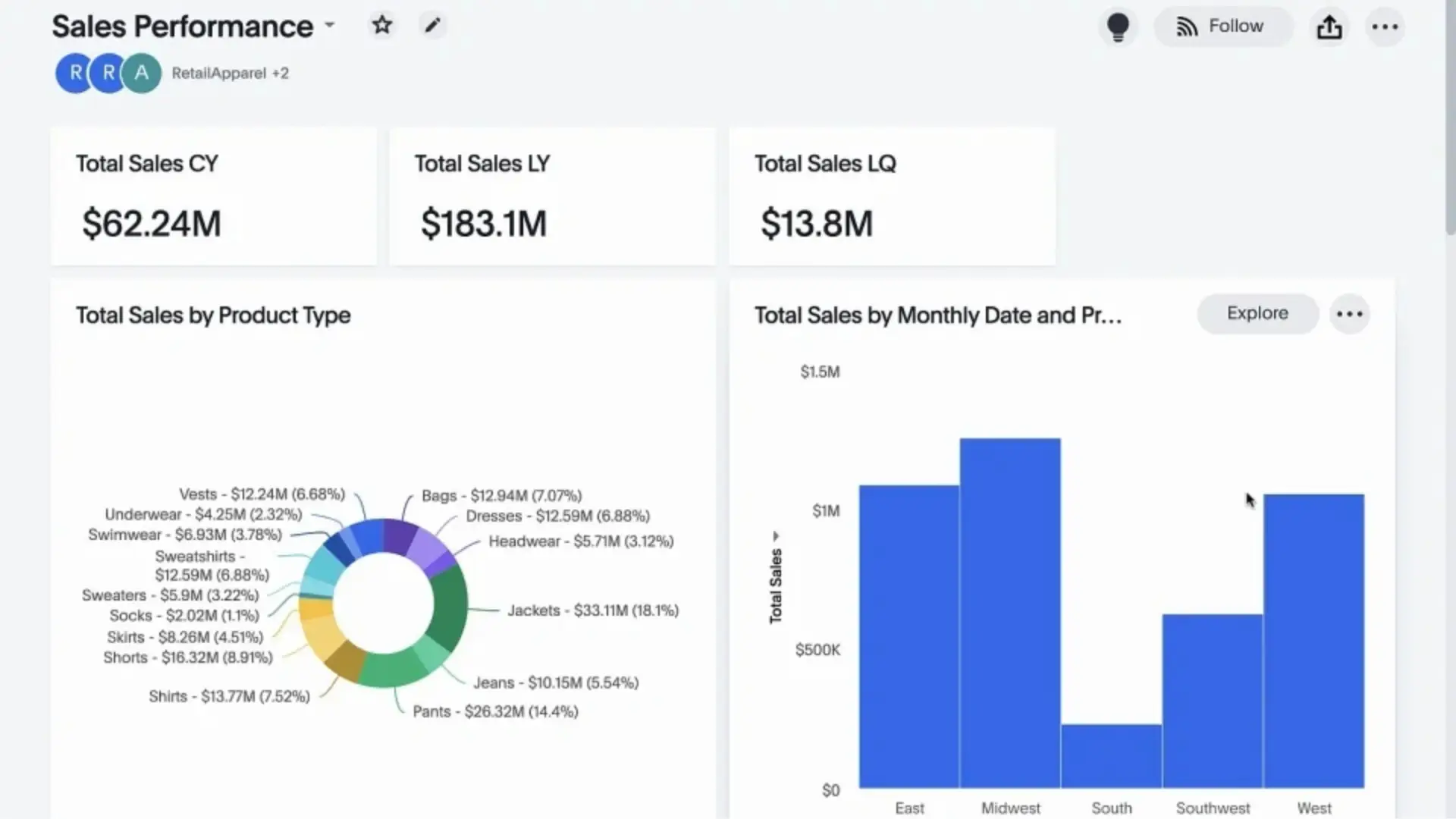
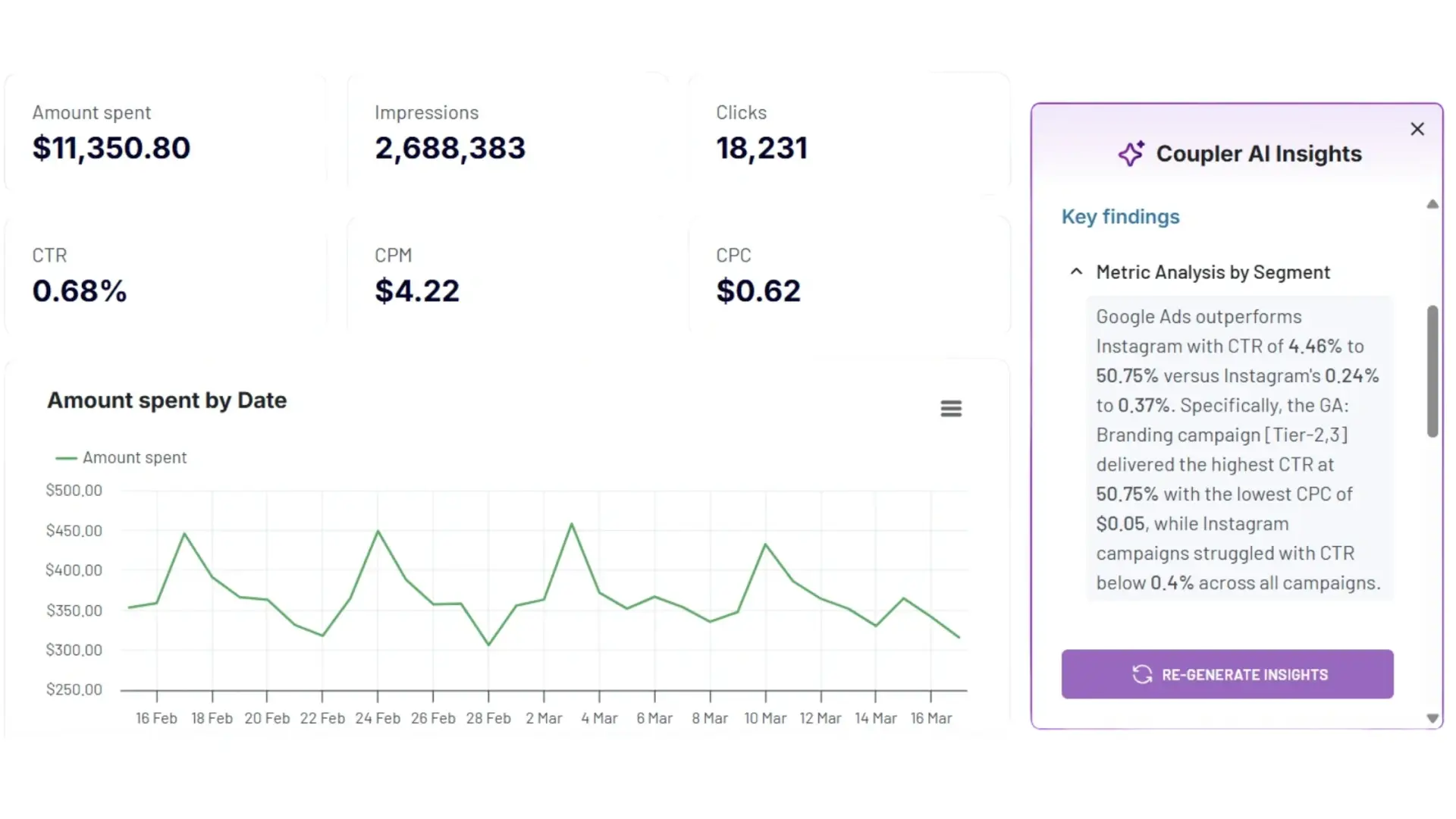
She trained her team, led hands-on workshops, and created space for everyone to learn. And like clockwork, resistance turned into excitement. People love tools that make them better at their jobs.
AI without strategy is just expensive magic.
But paired with a solid digital plan?
It becomes a growth engine.
A clean, modern, mobile-optimized website became her digital storefront.
SEO improved. Engagement climbed.
Customers finally understood her brand — and could buy from her easily.
Helpful blog posts, brand storytelling, and SEO-rich resources positioned her as the expert in her space.
Not just posting but analyzing:
What performs well? What doesn’t? When? Why?
AI gave her clarity. She gave her audience connection.
AI segmented her email list and served the right message to the right customer at the right time.
Conversions? Up.
Revenue? Up higher.
To grow, she tracked:
Website performance
Social media engagement
Email conversion
Customer retention
Sales data
Repeat purchase behavior
Every metric told a story. With AI-powered insights from platforms like Google Analytics, she didn’t spend hours combing through spreadsheets — clarity came instantly.
And every win was celebrated — a habit that kept her team motivated, aligned, and excited for the future.
The businesses that thrive are the ones willing to pivot.
It amplified her skills. It didn’t erase them.
You can’t grow if you’re only focused on today’s problems. AI helped her see ahead.
Workshops, conferences, online communities — she stayed plugged into the future.
Her transformation wasn’t luck — it was willingness.
Willingness to learn.
Willingness to invest.
Willingness to evolve.
AI digital transformation for small business isn’t optional anymore.
It’s the advantage.
The accelerator.
The equalizer.
Small business owners are entering a new era.
Those who blend human creativity with AI-powered precision are the ones who will lead.
Your business doesn’t need to be perfect — it just needs to be evolving.
Lean into the tools.
Learn the strategy.
And let AI amplify what you do best.
Small business owners often face challenges such as competition from larger companies, cash flow management, marketing their products or services effectively, and adapting to technological changes. Additionally, many struggle with maintaining customer relationships in an increasingly digital market.
AI can benefit small businesses by automating routine tasks, providing insights into customer behavior, personalizing marketing efforts, and improving operational efficiency. Tools such as chatbots, data analytics, and personalized recommendations can enhance customer service and drive sales.
To improve your online presence, focus on creating a user-friendly website, optimizing it for search engines, engaging with customers on social media, and developing content that resonates with your target audience. Additionally, consider incorporating email marketing and online advertising to reach more customers.
Measuring success is crucial in business as it helps identify areas of improvement, track progress against goals, and make data-driven decisions. By establishing key performance indicators (KPIs), business owners can better understand their operations and customer engagement, leading to informed strategies for growth.
A successful entrepreneur should embrace a mindset of adaptability, resilience, and a willingness to learn. Being open to change, staying informed about industry trends, and maintaining a vision for the future are key to navigating challenges and achieving long-term success.
This site uses Akismet to reduce spam. Learn how your comment data is processed.
Thanks for sharing. I read many of your blog posts, cool, your blog is very good.