
Fractional COO
for Founder-Led
Businesses
Senior operational leadership, without hiring a full-time COO.

The company grew.
The way it is run didn't.
Too many decisions still come back to you. Capable managers bring you problems they could resolve themselves. Systems that worked when the company was smaller now depend on you to hold them together.
A fractional COO takes operating responsibility for changing that. This isn't an advisor reporting findings from the outside. It's leadership working inside the business.
You probably don't need
another strategy.
You need operating leadership.
If you've already had the strategy conversation — if there is a deck — and the business still isn't following through, the problem isn't the strategy. It's the operating structure underneath it.
Some of this may be familiar:
- You've become the de facto COO, and that wasn't the plan.
- The team is capable, but the work still depends on you being in the room.
- The business grew faster than its management structure, and the gaps are starting to show.
- Decisions wait for you, so the business moves at the speed of your calendar.
- Priorities change in the meeting, but the work continues as before.
- Important work keeps losing to whatever is urgent today.
- You need senior operating judgment inside the business, but a full-time hire isn't the right move yet.
Those symptoms don't automatically mean your team lacks discipline, and hiring more good people won't fix structural gaps on its own. They appear when revenue grows faster than the company's management infrastructure — the ownership, authority and accountability needed to support it. Growth exposes operational weakness. It doesn't fix it. Read more on operational weakness.
What a fractional COO actually does.
The title gets used loosely, so it's worth being specific.
-
01
Establishes an operating cadence
More meetings won't solve the problem. An operating cadence is a reliable way to surface the right issues, make decisions at the right level and follow through — whether or not you are in the room.
-
02
Makes ownership explicit
An org chart isn't enough. Managers need to know which decisions belong to them, what they should resolve without you and what genuinely requires your attention. Those boundaries are decision rights, and software cannot repair them when they are unclear.
-
03
Builds the measurement that lets you stop checking
The right numbers show you where something needs attention, not only what happened last month. When reporting works, you learn that something is off because the system tells you — not because you happened to ask.
-
04
Aligns process and technology with how the work actually happens
Tools accumulate. Processes drift from the documented version. The gap between the two is where work gets duplicated, dropped, or done twice in two different ways. Automating a broken process produces a faster broken process. See how this connects to process and technology.
-
05
Moves strategic initiatives from intention to completion
An initiative without an owner who has both the authority and the time to drive it through the organization will stall. Holding that ownership is a large part of the job.
Reduces the company's dependence on you
Founder dependency is what happens when the business still relies on you to make routine decisions, solve recurring problems and keep work moving. The measure of the engagement isn't how much I do. It's how much the business can do without either of us.
What's included
An engagement is scoped to the business, but typically covers:
- Weekly leadership cadence — priorities set, decisions made, team aligned
- Decision support on the calls that matter most
- Operational oversight of the function or area most under-led
- Accountability structure, so the team knows what they own
- Priority alignment across departments and leadership team members
- Strategic planning alongside execution, not instead of it
- Leadership mentoring for managers ready to take on more
- Documented playbooks for the processes and operating mechanisms we formalize during the engagement
Fractional COO or operations consulting?
I offer both, but they solve different problems. The distinction is not the quality of the advice. It's who is responsible for carrying the work through.
Operations consulting is scoped around a problem. It begins with a defined question — why the handoff between sales and production keeps failing, whether the technology stack can support the next stage of growth, or what an operational assessment reveals about where the constraints actually sit. The work has a beginning, a middle and a deliverable. Your team implements the recommendations, with support.
A fractional COO engagement is scoped around responsibility. I hold operational leadership for an agreed period. I work inside the operating rhythm and leadership conversations and remain accountable for whether the changes take hold — not only for producing a sound recommendation.
Fractional leadership means running the weekly leadership meeting, sitting in the decision, and helping managers build the capacity to lead without you holding everything together.
Choose operations consulting when the problem is defined and your team has the capacity to execute. Choose fractional leadership when the problem is that nobody has the capacity, seniority or bandwidth to execute — and that person keeps turning out to be you.
When a fractional COO makes sense.
This model fits when several of these are true.
The business has real management complexity — multiple functions, handoffs between them, and people managing people. Too many operational decisions still reach you. There are capable people but unclear ownership. Growth is exposing weaknesses in process and handoffs faster than they can be patched. Strategic initiatives stall in execution rather than in planning. You're entering a transition — new stage, new structure, new complexity — and the team needs steadier guidance through it. And the company needs COO-level capability without yet needing, or wanting, a full-time executive on the payroll.
There's no revenue minimum. The qualifier is organizational complexity, not size.
When it probably isn't the right answer
Being straightforward about this saves us both a call.
If the company is still small enough that you can reasonably hold operations yourself, a strong operations manager is likely the better hire than COO-level capability.
If the constraint is demand rather than delivery, operations isn't where the leverage is.
And if the leadership team isn't prepared to let decisions be made without them, no operating structure will survive contact with the business. That one is worth thinking through honestly before we talk.
How an engagement unfolds.
Land
The first 30 days are about listening. One-on-ones with your team, a clear picture of where leadership is missing, and a written set of priorities we align on together before anything moves.
When it's practical, I do this on-site. Documentation shows how work is supposed to happen. Systems show what was recorded. Interviews show how people understand their own roles. Being in the building shows the gaps between those three — the handoffs, workarounds, interruptions and informal decisions that rarely appear in any of them.
Lead
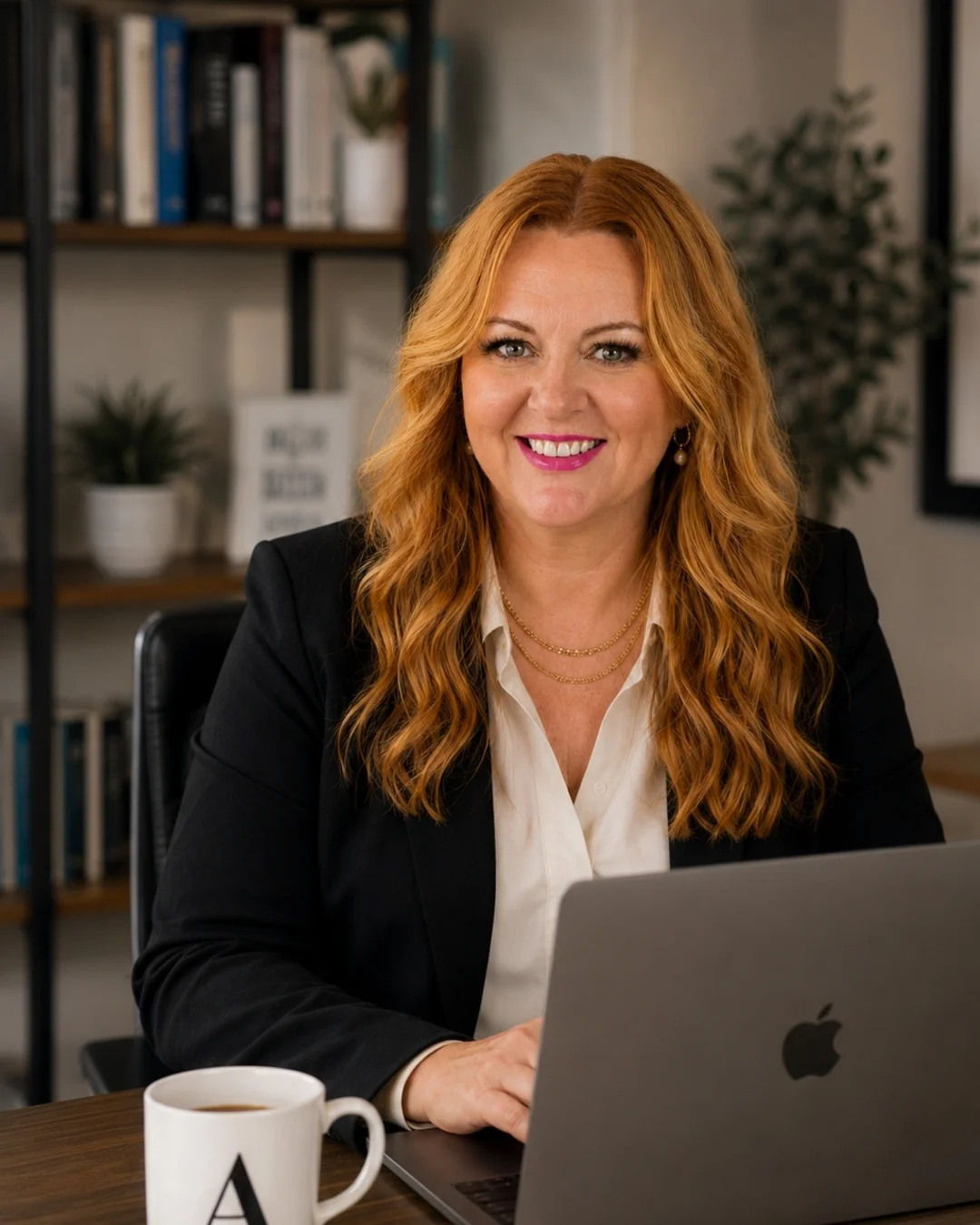
Embedded as a working member of your leadership layer — in the weekly cadence, inside the decisions, accountable alongside your team. Not advising from the outside.
Build
As the structure stabilizes, we document what's working, develop the managers who are ready, and build the accountability systems that hold without me in the room.
Transition
A clean handoff — to a full-time hire, a promoted internal leader, or a lighter advisory relationship. The business leaves with more leadership capacity than it started with.
The sequence is straightforward by design. The discipline is in doing the work in the right order — and building it around how your business actually operates. There's no standard engagement length: duration and structure are set by the business, its operating complexity, and how much implementation responsibility the engagement carries.
What changes.
- Fewer decisions escalate to you.
- Priorities are clear across the team, week to week.
- Decisions get made faster, by the right people.
- Accountability holds without you driving it personally.
- The leadership team moves in the same direction.
- Information moves through the business reliably rather than through whoever happened to be in the room.
- Meetings end in commitments with names and dates on them.
- Processes survive the departure of the person who invented them.
- You have more capacity for the work only you can do.
What that adds up to is a business that can grow without requiring proportionally more of you.
Twenty years inside operations.
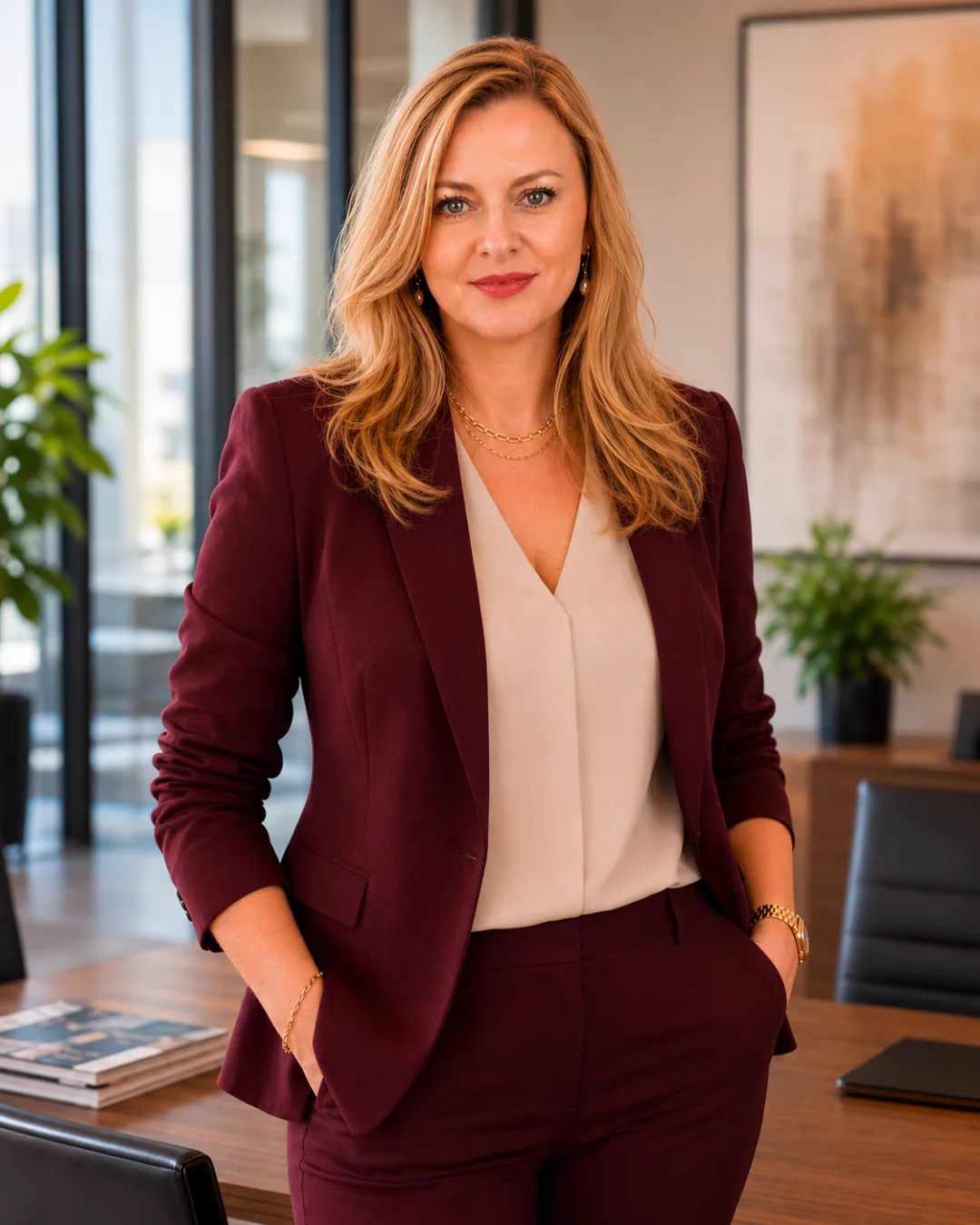
Before advising founder-led businesses, I spent 20+ years inside operations — including serving as Director of Operations for a multiple-seven-figure restoration company.
That matters here for a specific reason. Field-service operations are unforgiving about exactly the things this page describes. Scheduling, dispatch, subcontractor coordination, documentation, billing — when ownership is unclear anywhere in that chain, it shows up the same week, not the same quarter. It's a useful place to learn what operational structure is actually for.
I'm based in the Seattle area and work with founder-led businesses nationally, remotely and on-site.
A recent engagement
In one multiple-seven-figure founder-led service business, the visible problems showed up across sales, marketing, handoffs and accountability — the kind of list that invites you to fix four things at once.
The underlying issue wasn't one broken process. Decision ownership, management accountability, information flow and measurement had each developed independently as the company grew, and none of them had been designed to work with the others. Fixing the symptoms individually would have left the structure that produced them intact.
The work began by rebuilding the operating architecture around those dependencies rather than treating each symptom in isolation.
This engagement is currently in implementation. I'll publish what changed when there are results worth reporting rather than intentions.
Fractional COO or full-time COO?
| Fractional COO | Full-time COO | |
|---|---|---|
| Commitment | Defined engagement, agreed time commitment | Permanent executive hire |
| Scope | Focused on the constraints that matter now | Full ongoing ownership of the operating function |
| Stage that fits | The business needs COO-level capability before it can support a COO-level role | The operating function is large and permanent enough to warrant a dedicated executive |
| Commercial structure | Contracted engagement with a defined scope and commitment | Permanent executive compensation and employment commitment |
| Speed | Senior capability in place without an executive search | Requires a search and then a ramp-up period |
| Organizational commitment | Lower long-term organizational commitment | Higher long-term organizational and employment commitment |
A fractional engagement can precede a full-time hire rather than replace one. Part of the work can be defining the role properly, building the structure the eventual COO will inherit, and recognizing when the business has genuinely grown into it.
Questions worth asking upfront.
Start with a conversation.
You don't need to know exactly what's broken before we talk. If the business has grown but too much of it still depends on you, that's enough of a place to start. Thirty minutes is usually enough to tell whether this is the right kind of engagement for your situation — and I'd rather tell you it isn't than sell you one that won't hold.